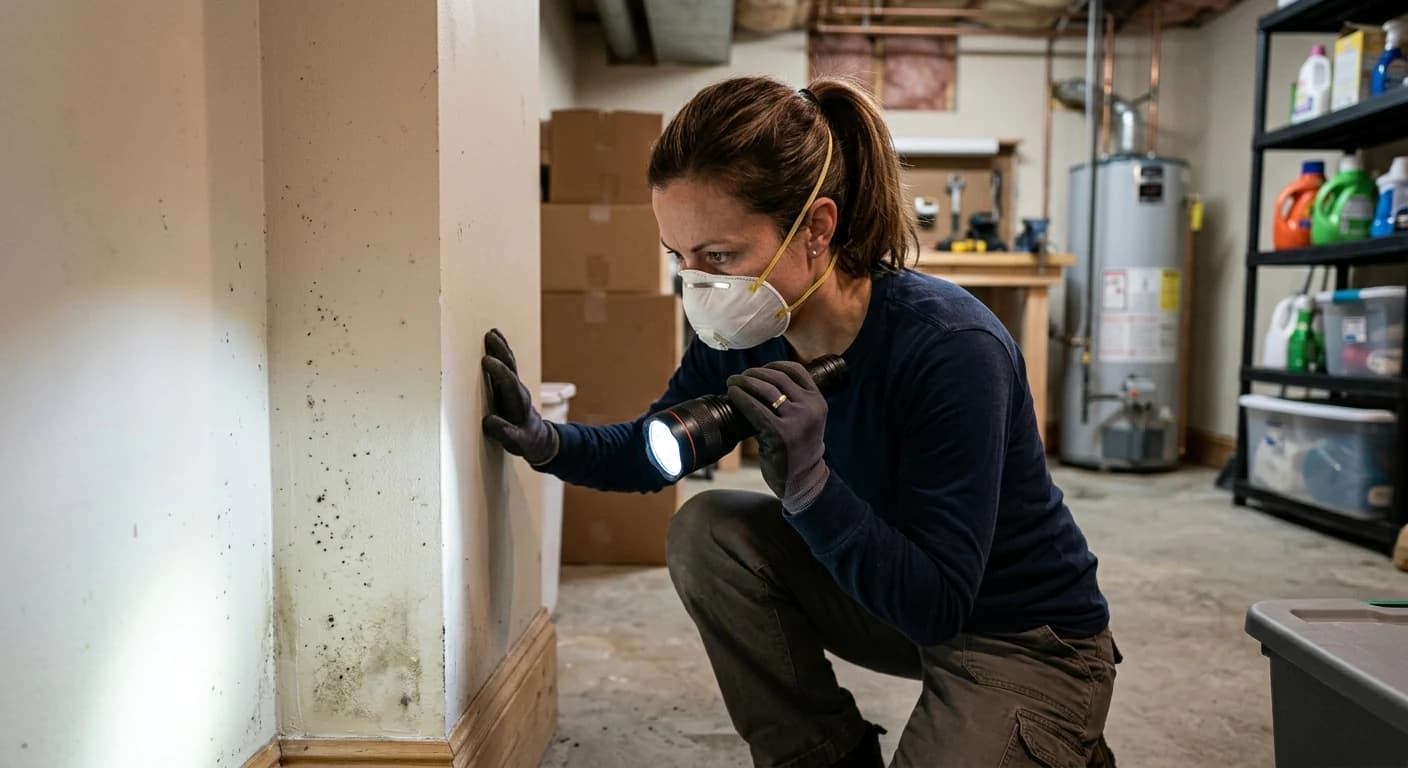
What are the visual signs of early mold?
Mold often appears as black, green, or white spots on walls, ceilings, or floors. These spots may be accompanied by discoloration or peeling paint. In areas with high humidity, such as bathrooms and basements, mold is more likely to develop. Regularly inspect these areas for any visual signs of mold, as early detection is key to preventing larger infestations.
In addition to the common spots and discoloration, mold can also manifest as a fuzzy or slimy texture, depending on the type and stage of growth. It's crucial to pay attention to changes in wall texture or appearance, particularly in corners or areas that are less frequently cleaned or inspected.
Checking behind furniture, under sinks, and around window sills can reveal hidden mold, especially in older homes where moisture barriers might be compromised. If you notice any unusual textures or colors, it's worth investigating further.
For homeowners in Englewood or other parts of NJ, where seasonal humidity can fluctuate, maintaining a consistent inspection schedule is advisable. Consider using a flashlight during inspections to better illuminate potential problem areas, particularly in basements or attics, where lighting may be insufficient.
In addition to the common spots and discoloration, mold can also manifest as a fuzzy or slimy texture, depending on the type and stage of growth. It's crucial to pay attention to changes in wall texture or appearance, particularly in corners or areas that are less frequently cleaned or inspected.
Checking behind furniture, under sinks, and around window sills can reveal hidden mold, especially in older homes where moisture barriers might be compromised. If you notice any unusual textures or colors, it's worth investigating further.
For homeowners in Englewood or other parts of NJ, where seasonal humidity can fluctuate, maintaining a consistent inspection schedule is advisable. Consider using a flashlight during inspections to better illuminate potential problem areas, particularly in basements or attics, where lighting may be insufficient.
Can mold have a smell?
Yes, mold often has a musty, earthy smell. If you notice an unusual odor in certain areas of your home, especially those prone to moisture, it could indicate the presence of mold. This smell can be more pronounced in enclosed spaces like crawl spaces or attics. If you suspect mold based on smell, consider reaching out to a professional for an inspection. Visit our contact page to schedule an assessment.
While the musty smell is a common indicator, it can sometimes be confused with other household odors. To differentiate, try to identify whether the smell is persistent and localized to specific areas. For example, if the odor is stronger when entering a bathroom or basement, it may be a sign of hidden mold.
Homeowners can also use air quality monitors that detect volatile organic compounds (VOCs) to identify potential mold-related issues. These devices can provide an early warning system, alerting you to changes in air quality that may be associated with mold growth.
In NJ, where humidity can be high, using a dehumidifier can help manage moisture levels in your home, thereby reducing the risk of mold growth and the associated odors. Regularly cleaning and airing out these spaces can also help mitigate potential mold development.
While the musty smell is a common indicator, it can sometimes be confused with other household odors. To differentiate, try to identify whether the smell is persistent and localized to specific areas. For example, if the odor is stronger when entering a bathroom or basement, it may be a sign of hidden mold.
Homeowners can also use air quality monitors that detect volatile organic compounds (VOCs) to identify potential mold-related issues. These devices can provide an early warning system, alerting you to changes in air quality that may be associated with mold growth.
In NJ, where humidity can be high, using a dehumidifier can help manage moisture levels in your home, thereby reducing the risk of mold growth and the associated odors. Regularly cleaning and airing out these spaces can also help mitigate potential mold development.
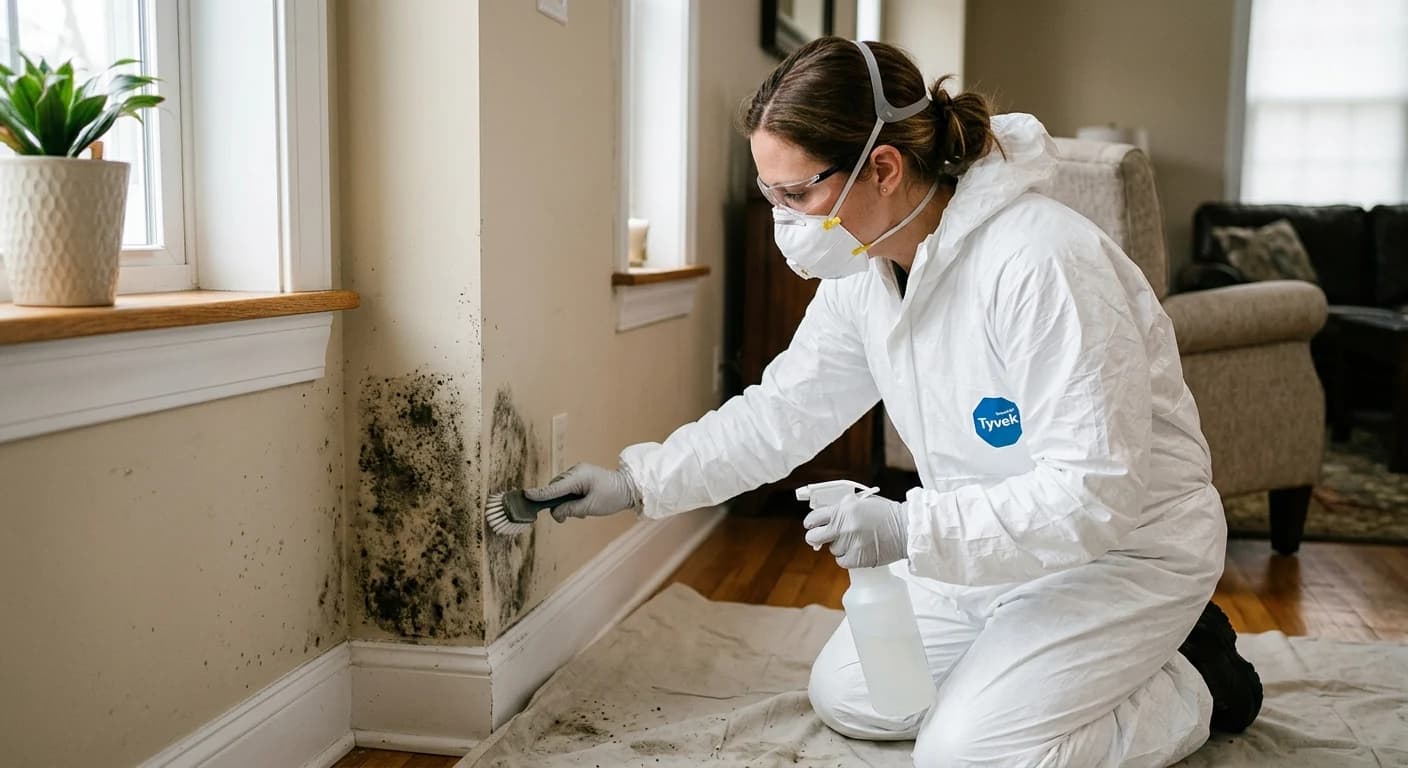
Are there health symptoms of early mold exposure?
Even in its early stages, mold can cause health symptoms such as sneezing, coughing, or eye irritation. If you notice these symptoms worsen when you are at home and improve elsewhere, it may be a sign of mold presence. Addressing these symptoms with a healthcare professional and inspecting your home for mold can help mitigate health risks.
Mold exposure can also exacerbate existing health conditions like asthma or allergies. If you or a family member experiences increased asthma attacks or allergy symptoms indoors, it's prudent to consider the environment as a contributing factor.
Other potential symptoms of mold exposure include headaches, fatigue, or skin rashes. These symptoms can be subtle and easily attributed to other causes, making mold detection challenging. If these health issues persist without a clear medical explanation, a thorough mold inspection may be necessary.
For residents in NJ, where the climate can encourage mold growth, it's important to be proactive about indoor air quality. Regularly replacing HVAC filters and ensuring proper ventilation in high-moisture areas can help reduce the potential for mold-related health issues.
Consulting with both healthcare professionals and mold remediation experts can provide a comprehensive approach to addressing and mitigating health risks associated with mold exposure.
Mold exposure can also exacerbate existing health conditions like asthma or allergies. If you or a family member experiences increased asthma attacks or allergy symptoms indoors, it's prudent to consider the environment as a contributing factor.
Other potential symptoms of mold exposure include headaches, fatigue, or skin rashes. These symptoms can be subtle and easily attributed to other causes, making mold detection challenging. If these health issues persist without a clear medical explanation, a thorough mold inspection may be necessary.
For residents in NJ, where the climate can encourage mold growth, it's important to be proactive about indoor air quality. Regularly replacing HVAC filters and ensuring proper ventilation in high-moisture areas can help reduce the potential for mold-related health issues.
Consulting with both healthcare professionals and mold remediation experts can provide a comprehensive approach to addressing and mitigating health risks associated with mold exposure.
How to Prevent Mold Growth in Your Home
Preventing mold growth is all about controlling moisture levels in your home. Start by ensuring that all areas are well-ventilated. Use exhaust fans in bathrooms and kitchens to reduce humidity after showers and cooking. If your home tends to be humid, consider investing in a dehumidifier, especially in basements and other areas prone to dampness.
Regularly check for leaks in plumbing, roofs, and windows. Even small leaks can create a perfect breeding ground for mold. Repair them promptly to avoid moisture accumulation. Additionally, make sure that your gutters and downspouts are functioning properly to direct water away from your home's foundation.
Another effective strategy is to use mold-resistant products when building or renovating. These include mold-resistant drywall and paint, which can provide an extra layer of protection. It's also wise to avoid carpeting in areas like basements or bathrooms where moisture is more likely to be a problem.
For those living in areas like NJ, where seasonal weather changes can lead to varying humidity levels, maintaining a consistent indoor environment is crucial. Regularly monitor humidity levels using a hygrometer, aiming to keep them below 60%. By taking these proactive steps, you can significantly reduce the risk of mold growth in your home.
Regularly check for leaks in plumbing, roofs, and windows. Even small leaks can create a perfect breeding ground for mold. Repair them promptly to avoid moisture accumulation. Additionally, make sure that your gutters and downspouts are functioning properly to direct water away from your home's foundation.
Another effective strategy is to use mold-resistant products when building or renovating. These include mold-resistant drywall and paint, which can provide an extra layer of protection. It's also wise to avoid carpeting in areas like basements or bathrooms where moisture is more likely to be a problem.
For those living in areas like NJ, where seasonal weather changes can lead to varying humidity levels, maintaining a consistent indoor environment is crucial. Regularly monitor humidity levels using a hygrometer, aiming to keep them below 60%. By taking these proactive steps, you can significantly reduce the risk of mold growth in your home.
When to Call a Professional Mold Inspector
Identifying when to call a professional mold inspector can save you time and prevent potential health risks. If you've noticed persistent musty odors or visible signs of mold that you cannot manage on your own, it's time to seek professional help. Mold inspectors have the expertise and tools to locate hidden mold, even behind walls or under flooring.
Consider calling a professional if you experience unexplained health symptoms, such as persistent respiratory issues or allergic reactions that improve when you're away from home. These could be signs of mold exposure that require immediate attention.
Another reason to consult a professional is if you've experienced water damage from flooding or leaks. Even after drying out the area, mold can develop in hidden spaces. A professional inspection can confirm whether mold is present and suggest the best course of action.
In regions like Englewood, where weather conditions can fluctuate, a professional assessment can be particularly beneficial. Mold inspectors can provide a thorough evaluation of your indoor environment and offer recommendations tailored to your specific situation. By addressing mold issues early with professional guidance, you can protect your home and health effectively.
Consider calling a professional if you experience unexplained health symptoms, such as persistent respiratory issues or allergic reactions that improve when you're away from home. These could be signs of mold exposure that require immediate attention.
Another reason to consult a professional is if you've experienced water damage from flooding or leaks. Even after drying out the area, mold can develop in hidden spaces. A professional inspection can confirm whether mold is present and suggest the best course of action.
In regions like Englewood, where weather conditions can fluctuate, a professional assessment can be particularly beneficial. Mold inspectors can provide a thorough evaluation of your indoor environment and offer recommendations tailored to your specific situation. By addressing mold issues early with professional guidance, you can protect your home and health effectively.
DIY Mold Testing: Is It Worth It?
With the increasing availability of DIY mold testing kits, many homeowners are tempted to take mold detection into their own hands. These kits typically involve collecting samples from surfaces or the air and then sending them to a lab for analysis. While this can be a cost-effective initial step, it's important to understand the limitations. DIY kits may not always provide a complete picture of mold presence, particularly if the mold is hidden behind walls or under flooring. Additionally, interpreting the results can be challenging without professional guidance, as mold is ubiquitous in the environment, and some levels are considered normal.
If you choose to use a DIY kit, ensure you follow the instructions meticulously to avoid contamination and inaccurate results. It's also advisable to conduct tests in multiple areas of your home, especially in places prone to moisture like bathrooms, basements, and kitchens. However, if the results indicate a significant mold presence, or if you continue to notice health symptoms or musty odors, it's wise to follow up with a professional inspection. In Englewood, where seasonal humidity can affect mold growth, professional services can offer peace of mind by providing a thorough assessment and remediation plan if needed. Ultimately, while DIY kits can be a useful tool, they should not replace professional evaluations when dealing with potential mold issues.
If you choose to use a DIY kit, ensure you follow the instructions meticulously to avoid contamination and inaccurate results. It's also advisable to conduct tests in multiple areas of your home, especially in places prone to moisture like bathrooms, basements, and kitchens. However, if the results indicate a significant mold presence, or if you continue to notice health symptoms or musty odors, it's wise to follow up with a professional inspection. In Englewood, where seasonal humidity can affect mold growth, professional services can offer peace of mind by providing a thorough assessment and remediation plan if needed. Ultimately, while DIY kits can be a useful tool, they should not replace professional evaluations when dealing with potential mold issues.
Understanding Mold Remediation Costs
When facing a mold problem, understanding the potential costs associated with remediation is crucial for homeowners. Mold remediation can range from a few hundred to several thousand dollars, depending on the extent of the infestation and the areas affected. Small, localized mold issues might be manageable with DIY solutions, but extensive infestations often require professional intervention. The costs typically include inspection, containment, removal, and restoration of affected areas.
For minor mold issues, homeowners might only need to budget for cleaning supplies and protective gear. However, larger infestations, especially those involving structural damage or HVAC systems, can be more costly. It's important to get multiple quotes from reputable mold remediation companies to ensure a fair price. Additionally, check with your insurance provider, as some policies may cover mold remediation costs under specific circumstances.
In NJ, where weather conditions can contribute to mold growth, investing in preventative measures like dehumidifiers and regular inspections can help minimize future remediation expenses. Being proactive about addressing leaks, maintaining ventilation, and using mold-resistant materials during renovations can also reduce the likelihood of costly mold issues. By understanding the potential costs and taking preventative steps, homeowners can better manage mold-related financial impacts.
For minor mold issues, homeowners might only need to budget for cleaning supplies and protective gear. However, larger infestations, especially those involving structural damage or HVAC systems, can be more costly. It's important to get multiple quotes from reputable mold remediation companies to ensure a fair price. Additionally, check with your insurance provider, as some policies may cover mold remediation costs under specific circumstances.
In NJ, where weather conditions can contribute to mold growth, investing in preventative measures like dehumidifiers and regular inspections can help minimize future remediation expenses. Being proactive about addressing leaks, maintaining ventilation, and using mold-resistant materials during renovations can also reduce the likelihood of costly mold issues. By understanding the potential costs and taking preventative steps, homeowners can better manage mold-related financial impacts.