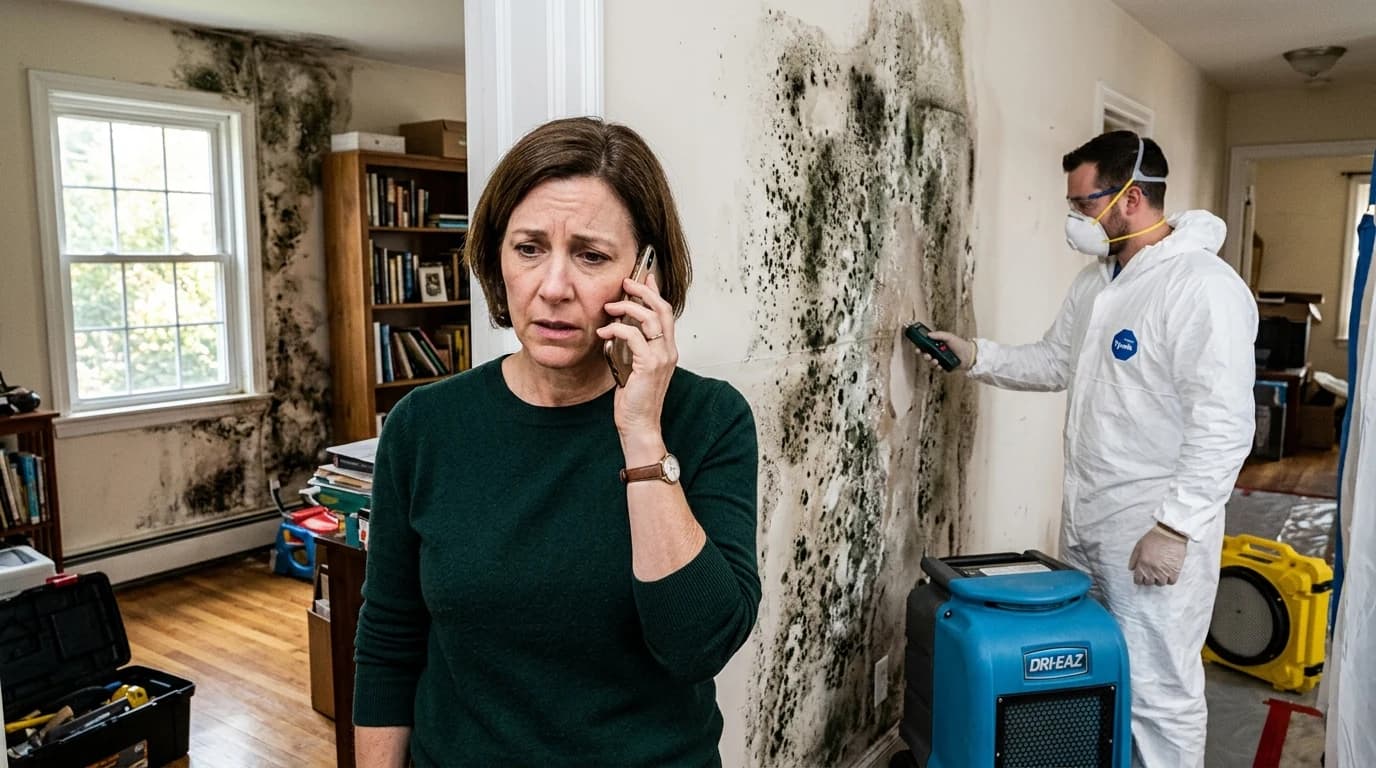
Should you disturb the mold?
No, it's essential not to disturb or touch mold, as this can release spores into the air, increasing exposure and allowing the mold to spread further. Instead, isolate the affected area by closing doors and windows to prevent spores from traveling to other parts of the home. Turn off HVAC systems to avoid circulating spores through your heating and cooling systems.
Additionally, consider sealing off the room with plastic sheeting if possible, particularly if the mold is extensive. This can be done using heavy-duty plastic sheets and duct tape to cover doorways and vents. This temporary barrier helps contain spores and limits their spread to other areas of your home.
It's also a good idea to take pictures of the mold growth for documentation purposes. This can be helpful when discussing the issue with professionals or filing insurance claims. Remember, though, to avoid getting too close to the mold while taking photos; use a zoom feature on your camera or phone to maintain a safe distance.
Additionally, consider sealing off the room with plastic sheeting if possible, particularly if the mold is extensive. This can be done using heavy-duty plastic sheets and duct tape to cover doorways and vents. This temporary barrier helps contain spores and limits their spread to other areas of your home.
It's also a good idea to take pictures of the mold growth for documentation purposes. This can be helpful when discussing the issue with professionals or filing insurance claims. Remember, though, to avoid getting too close to the mold while taking photos; use a zoom feature on your camera or phone to maintain a safe distance.
When should you call a professional?
Call a mold remediation professional as soon as possible to assess the extent of the mold and determine the best course of action. DIY methods may not effectively remove all mold, especially in hidden or hard-to-reach areas. Professionals have the tools and expertise to safely and thoroughly remove mold from your home. For expert help, check our services to find out how we can assist you.
Professional mold remediation services not only remove visible mold but also address underlying moisture issues that contribute to mold growth. This might include fixing leaks, improving ventilation, or installing dehumidifiers. Mold specialists in Englewood are familiar with local building codes and climate conditions, which can significantly affect mold growth patterns.
In cases where the mold covers more than 10 square feet, or if it's caused by contaminated water (like sewage), professional intervention is crucial. Mold professionals are equipped with specialized equipment such as HEPA filters and industrial dehumidifiers, ensuring a comprehensive cleanup that DIY efforts often lack.
Professional mold remediation services not only remove visible mold but also address underlying moisture issues that contribute to mold growth. This might include fixing leaks, improving ventilation, or installing dehumidifiers. Mold specialists in Englewood are familiar with local building codes and climate conditions, which can significantly affect mold growth patterns.
In cases where the mold covers more than 10 square feet, or if it's caused by contaminated water (like sewage), professional intervention is crucial. Mold professionals are equipped with specialized equipment such as HEPA filters and industrial dehumidifiers, ensuring a comprehensive cleanup that DIY efforts often lack.
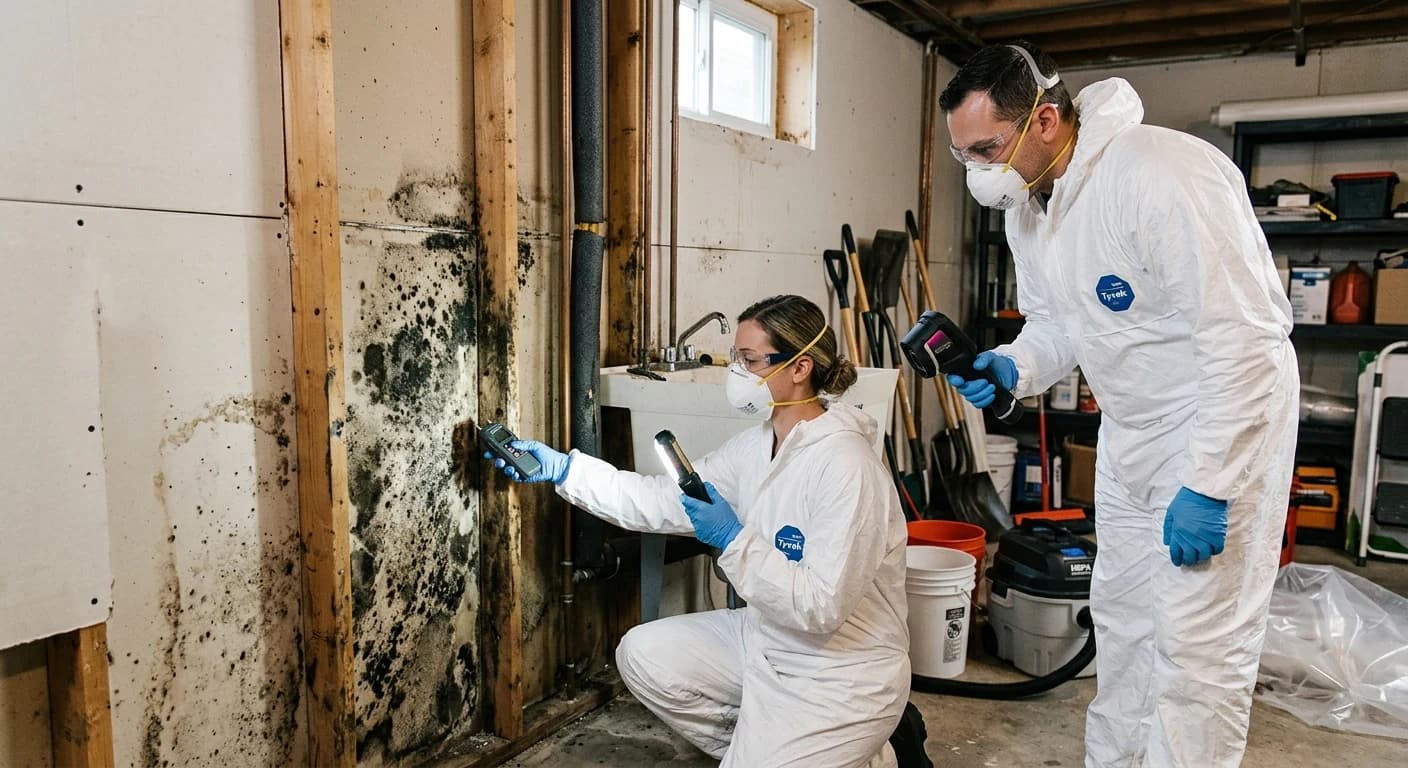
How can you minimize health risks during this time?
While waiting for professional help, wear protective gear such as masks and gloves if you must enter the affected area. Keep children and pets away from the area to prevent exposure. If anyone in the household experiences health symptoms related to mold exposure, consult a healthcare provider promptly.
Consider using N95 respirators, which are readily available at most hardware stores, as they can filter out mold spores effectively. Also, wear long sleeves and pants to minimize skin exposure, and wash these clothes separately after use.
If you or family members begin to experience symptoms such as coughing, sneezing, skin rashes, or respiratory issues, it is important to seek medical attention. Mold exposure can exacerbate asthma and allergies, and prolonged exposure can lead to more severe health problems.
Furthermore, ensure that your home is well-ventilated by opening windows in unaffected areas to improve air circulation. This helps reduce humidity levels, further inhibiting mold growth. Remember, maintaining a humidity level below 50% in your home is ideal to prevent mold.
Consider using N95 respirators, which are readily available at most hardware stores, as they can filter out mold spores effectively. Also, wear long sleeves and pants to minimize skin exposure, and wash these clothes separately after use.
If you or family members begin to experience symptoms such as coughing, sneezing, skin rashes, or respiratory issues, it is important to seek medical attention. Mold exposure can exacerbate asthma and allergies, and prolonged exposure can lead to more severe health problems.
Furthermore, ensure that your home is well-ventilated by opening windows in unaffected areas to improve air circulation. This helps reduce humidity levels, further inhibiting mold growth. Remember, maintaining a humidity level below 50% in your home is ideal to prevent mold.
How to Properly Document Mold Damage for Insurance
Documenting mold damage is a crucial step, especially if you plan to file an insurance claim. Start by taking clear, high-resolution photographs of all affected areas, capturing both close-up and wide-angle shots. This helps provide a comprehensive view of the extent of the damage. Make sure to date-stamp the photos if possible, as this can be valuable for insurance purposes.
In addition to photographs, maintain a detailed written record. Note the date and time you first discovered the mold, the size and location of the affected areas, and any actions you have taken since discovery. If you have receipts or records of previous repairs related to leaks or water damage, these can support your claim by showing a history of maintenance and attempts to prevent mold.
If you engage a professional mold remediation service, keep all estimates, invoices, and reports they provide. These documents can further substantiate the costs associated with remediation and any recommendations for preventing future mold issues. Finally, contact your insurance company as soon as possible to report the mold problem and inquire about coverage specifics, as mold damage is not always covered under standard homeowners' policies.
In addition to photographs, maintain a detailed written record. Note the date and time you first discovered the mold, the size and location of the affected areas, and any actions you have taken since discovery. If you have receipts or records of previous repairs related to leaks or water damage, these can support your claim by showing a history of maintenance and attempts to prevent mold.
If you engage a professional mold remediation service, keep all estimates, invoices, and reports they provide. These documents can further substantiate the costs associated with remediation and any recommendations for preventing future mold issues. Finally, contact your insurance company as soon as possible to report the mold problem and inquire about coverage specifics, as mold damage is not always covered under standard homeowners' policies.
Preventing Future Mold Growth in Your Home
Preventing future mold growth involves addressing both moisture control and regular maintenance. Start by identifying and fixing any leaks in your home, whether from plumbing, roofs, or windows. Regularly inspect these areas, especially after heavy rain or storms, to catch any issues early. Investing in a good quality dehumidifier can help maintain indoor humidity levels below 50%, which is ideal for preventing mold growth.
Ensure your home is well-ventilated. Use exhaust fans in kitchens and bathrooms to reduce moisture and improve air circulation. If you live in a humid area like parts of NJ, consider installing additional ventilation systems or using air conditioners to help manage indoor humidity levels.
Regularly clean and inspect areas prone to mold, such as basements, attics, and bathrooms. Use mold-resistant products when renovating or building, such as mold-resistant drywall and paints. These materials can provide an extra layer of protection against mold growth.
Finally, educate your family about the signs of mold and the importance of moisture control. By fostering a proactive approach to home maintenance, you can significantly reduce the risk of mold returning and ensure a healthier living environment for everyone.
Ensure your home is well-ventilated. Use exhaust fans in kitchens and bathrooms to reduce moisture and improve air circulation. If you live in a humid area like parts of NJ, consider installing additional ventilation systems or using air conditioners to help manage indoor humidity levels.
Regularly clean and inspect areas prone to mold, such as basements, attics, and bathrooms. Use mold-resistant products when renovating or building, such as mold-resistant drywall and paints. These materials can provide an extra layer of protection against mold growth.
Finally, educate your family about the signs of mold and the importance of moisture control. By fostering a proactive approach to home maintenance, you can significantly reduce the risk of mold returning and ensure a healthier living environment for everyone.
Choosing the Right Mold Remediation Service
Selecting the right mold remediation service is critical to ensure the problem is handled effectively and safely. Begin by researching local companies and checking their credentials. Look for certifications such as the IICRC (Institute of Inspection, Cleaning and Restoration Certification), which indicates that the company adheres to industry standards. Reading customer reviews and testimonials can also provide insights into the company's reliability and quality of service.
Once you've narrowed down your options, request quotes from multiple services. A reputable company will offer a thorough inspection and provide a detailed estimate outlining the scope of work, timeline, and costs involved. Be wary of companies that offer quotes without inspecting the property, as this can lead to unexpected expenses later on.
Ask about the methods and equipment they use for mold remediation. Professionals should use HEPA vacuums and air scrubbers to capture mold spores and prevent them from spreading during the cleanup process. Additionally, inquire about their safety protocols, especially if you or your family members have health concerns related to mold exposure.
Finally, ensure that the company provides a warranty or guarantee for their work. This can offer peace of mind that they stand behind their services and are committed to resolving any issues that may arise after the remediation process is complete.
Once you've narrowed down your options, request quotes from multiple services. A reputable company will offer a thorough inspection and provide a detailed estimate outlining the scope of work, timeline, and costs involved. Be wary of companies that offer quotes without inspecting the property, as this can lead to unexpected expenses later on.
Ask about the methods and equipment they use for mold remediation. Professionals should use HEPA vacuums and air scrubbers to capture mold spores and prevent them from spreading during the cleanup process. Additionally, inquire about their safety protocols, especially if you or your family members have health concerns related to mold exposure.
Finally, ensure that the company provides a warranty or guarantee for their work. This can offer peace of mind that they stand behind their services and are committed to resolving any issues that may arise after the remediation process is complete.
Understanding Mold Regulations and Insurance Coverage
Navigating mold regulations and insurance coverage can be complex, but understanding these aspects is essential for effective mold management. In many areas, including parts of NJ, there are specific regulations governing mold remediation, particularly in rental properties. Landlords may be required to address mold issues promptly to ensure tenant safety. Familiarize yourself with local laws to understand your rights and responsibilities.
When it comes to insurance, mold coverage varies significantly between policies. Standard homeowners' insurance often does not cover mold damage unless it results from a covered peril, such as a burst pipe. Therefore, it's crucial to review your policy details and speak with your insurance agent to clarify what is and isn’t covered. Consider purchasing additional mold coverage if your current policy is lacking, especially if you live in a humid climate prone to mold issues.
In the event of mold damage, document everything meticulously, as detailed in previous sections, to support any insurance claims. Keep all communication with your insurance company in writing and maintain records of phone calls and emails. Understanding both regulations and insurance can help you navigate the remediation process more smoothly and ensure you are adequately protected against future mold-related expenses.
When it comes to insurance, mold coverage varies significantly between policies. Standard homeowners' insurance often does not cover mold damage unless it results from a covered peril, such as a burst pipe. Therefore, it's crucial to review your policy details and speak with your insurance agent to clarify what is and isn’t covered. Consider purchasing additional mold coverage if your current policy is lacking, especially if you live in a humid climate prone to mold issues.
In the event of mold damage, document everything meticulously, as detailed in previous sections, to support any insurance claims. Keep all communication with your insurance company in writing and maintain records of phone calls and emails. Understanding both regulations and insurance can help you navigate the remediation process more smoothly and ensure you are adequately protected against future mold-related expenses.