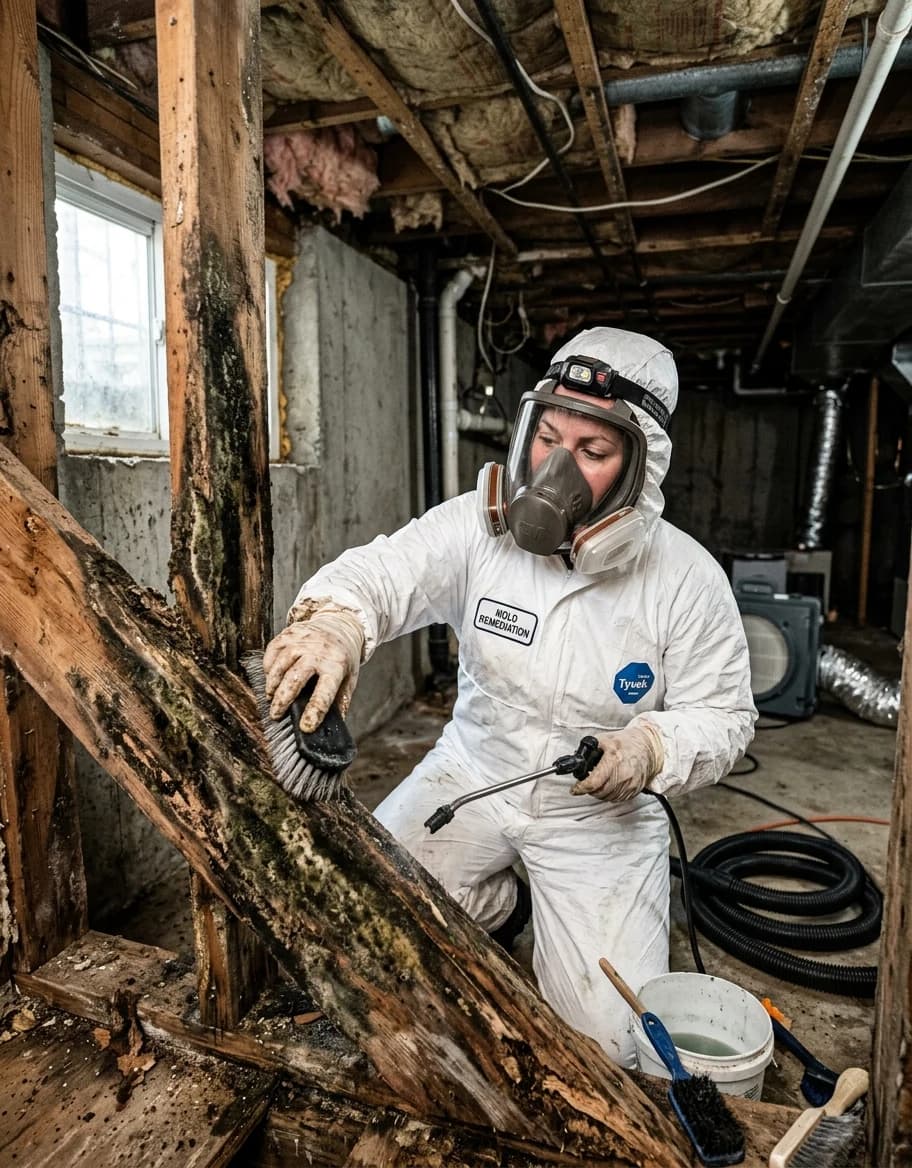
Why is mold dangerous if left untreated?
Mold can cause significant health issues, especially for those with allergies or respiratory problems. When mold spores are inhaled, they can trigger asthma attacks, allergic reactions, and other respiratory conditions. People with weakened immune systems, such as the elderly, young children, and those with chronic illnesses, are particularly vulnerable. Untreated mold can also lead to persistent coughing, skin irritation, and even sinus infections. The longer mold is left untreated, the more it spreads, increasing the risk of health complications for everyone in the home. Mold thrives in damp environments, so areas like basements, bathrooms, and kitchens, where moisture is common, are prime locations for mold growth. Addressing mold promptly can prevent these problems and maintain a safe living environment. Regular inspections and moisture control are key preventive measures homeowners in Englewood should consider.
What structural damage can mold cause?
Mold not only affects health but can also weaken the structure of your home. It feeds on organic materials like wood, drywall, and even some types of insulation, leading to rot and decay over time. As mold continues to consume these materials, it can cause significant structural damage, compromising the safety and stability of your home. For instance, wooden beams and floorboards can become warped and weakened, leading to creaky floors and even structural collapse in severe cases. In Englewood, where humidity can be high, it's crucial to watch for signs of mold and address them quickly. Mold can also penetrate deep into walls and ceilings, making it difficult to detect until significant damage has occurred. Regular home maintenance and inspections can help catch mold growth early. Learn more about our services to keep your home protected from these risks. Professional mold remediation can effectively remove mold and restore affected areas, ensuring your home remains safe and sound.
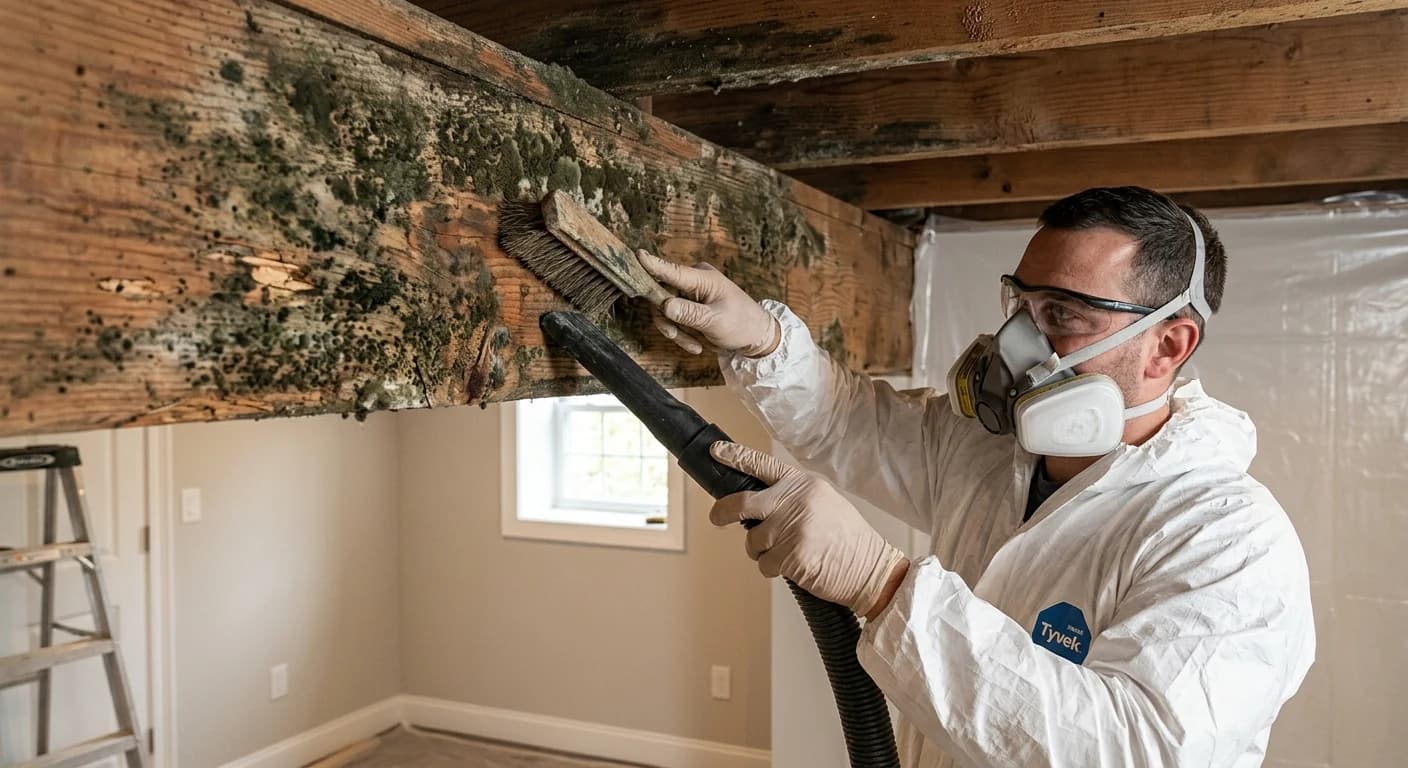
How can untreated mold affect property value?
A home with untreated mold issues can see a decline in property value. Potential buyers may be wary of purchasing a home with a history of mold problems, leading to longer selling times and lower offers. Mold not only affects the aesthetic appeal of a home but also raises concerns about potential health risks and future repair costs. Even if mold is not visible, a history of mold problems can be a red flag for buyers, who may worry about hidden damage or recurring issues. To maintain your home's value, it's essential to address mold issues as soon as they arise and ensure proper remediation. In competitive real estate markets, like those in parts of NJ, having a mold-free certification can be a significant advantage. Regular maintenance, proper ventilation, and moisture control can prevent mold growth and protect your investment. Additionally, keeping detailed records of any mold remediation work can provide peace of mind to potential buyers and real estate agents, demonstrating proactive care and maintenance of the property.
Steps to Prevent Mold Growth in Your Home
Preventing mold growth starts with controlling moisture levels in your home. Begin by identifying and repairing any leaks in roofs, windows, or pipes, as these are common sources of excess moisture. Ensure that areas prone to dampness, such as basements and bathrooms, are well-ventilated. Installing exhaust fans or dehumidifiers can help maintain a dry environment. Regularly clean and inspect gutters to prevent water accumulation near your home's foundation. Additionally, use mold-resistant products when renovating or building, such as mold-resistant drywall or paint. It's also important to monitor indoor humidity levels, keeping them below 60%. This can be achieved with the use of a hygrometer. For those living in areas with high humidity, like parts of NJ, it's particularly important to be vigilant about these measures. By taking proactive steps to manage moisture, you can significantly reduce the risk of mold growth and protect both your health and property.
When to Call Professional Mold Remediation Services
While small areas of mold can often be handled with DIY methods, there are times when professional remediation services are necessary. If you notice mold covering a large area, typically over 10 square feet, it's best to call in experts. Mold that has penetrated deep into walls, ceilings, or HVAC systems requires specialized equipment and expertise to remove effectively. Additionally, if you or your family members experience persistent health issues potentially linked to mold exposure, a professional assessment is recommended. Professionals can accurately identify the type of mold and the extent of the infestation, ensuring comprehensive removal and treatment. In cases where mold is recurrent despite your efforts, an expert can help identify underlying issues that may be contributing to the problem. Engaging professional services not only addresses the immediate issue but also provides peace of mind, knowing that your home is safe and mold-free. Always choose certified and experienced mold remediation companies to ensure the best results.
The Long-Term Health Implications of Untreated Mold
Leaving mold untreated in your home can have serious long-term health consequences. Mold spores are microscopic and can easily become airborne, making them easy to inhale and leading to chronic respiratory issues. Over time, exposure to mold can exacerbate asthma, cause chronic sinus infections, and lead to the development of new allergies. For individuals with compromised immune systems, the risks are even greater, potentially resulting in severe infections. Long-term exposure to certain types of mold, such as black mold, has been linked to neurological issues, including memory loss and mood swings. Children exposed to mold may experience developmental delays and cognitive impairments. It's crucial to address mold growth promptly to prevent these health issues from becoming chronic. Regular health check-ups can help identify symptoms related to mold exposure early. If you suspect mold in your home, it's important to consult both healthcare professionals and mold remediation experts to ensure both your health and home environment are properly managed.
Legal and Insurance Implications of Mold Infestation
Ignoring mold issues in your home can lead to significant legal and insurance complications. Many homeowner insurance policies have specific clauses regarding mold coverage, often excluding it unless it results from a covered peril like a burst pipe. This means that untreated mold can lead to costly repairs that are not covered by insurance. Additionally, if mold is found in rental properties, landlords may face legal action from tenants for not maintaining a habitable living environment. Mold-related lawsuits can be complex and expensive, often requiring expert testimony and extensive documentation. For homeowners in New Jersey, understanding local regulations and maintaining proper documentation of any mold-related repairs or inspections can be crucial. It's advisable to review your insurance policy to understand your coverage and take proactive measures to prevent mold growth. Keeping detailed records of maintenance and remediation efforts can protect you legally and financially, ensuring you are prepared in case of disputes or claims related to mold damage.
DIY Mold Removal: When and How to Do It Safely
For small mold infestations, typically less than 10 square feet, homeowners can often tackle the problem themselves with careful planning and the right tools. Start by ensuring the area is well-ventilated to prevent mold spores from spreading to other parts of your home. Wear protective gear, including gloves, goggles, and a mask, to shield yourself from exposure. Use a mixture of water and detergent to scrub the mold off hard surfaces. For porous materials like drywall or ceiling tiles, it may be necessary to replace the affected sections entirely, as mold can penetrate deeply into these materials. After cleaning, thoroughly dry the area to prevent mold from returning. Consider applying a mold-resistant primer or paint to discourage future growth. However, if the mold returns despite these efforts, it might indicate a larger underlying issue, such as a hidden leak or persistent humidity. In such cases, it’s advisable to consult with a professional to assess the situation. Always prioritize safety and ensure you’re not exposing yourself or your family to potential health hazards while attempting DIY mold removal.
Understanding the Costs of Mold Remediation
The cost of professional mold remediation can vary widely depending on the extent of the infestation and the specific services required. For minor cases, homeowners might spend a few hundred dollars, while extensive mold problems can run into thousands. Factors influencing the cost include the size of the affected area, the type of mold, and the complexity of removal. For instance, mold in hard-to-reach places like HVAC systems or behind walls may require specialized equipment and expertise, increasing the cost. Additionally, if structural repairs are necessary, such as replacing drywall or wooden beams, this can add to the overall expense. It’s important to obtain multiple quotes from certified mold remediation companies to ensure competitive pricing and quality service. In Englewood and other parts of NJ, where humidity levels can contribute to mold growth, investing in regular inspections and preventive measures can save money in the long run by avoiding severe infestations. Remember that while the initial cost of remediation might seem high, addressing mold issues promptly can prevent further damage and protect your home’s value and your family’s health.